EN | Bound river (2023–present)
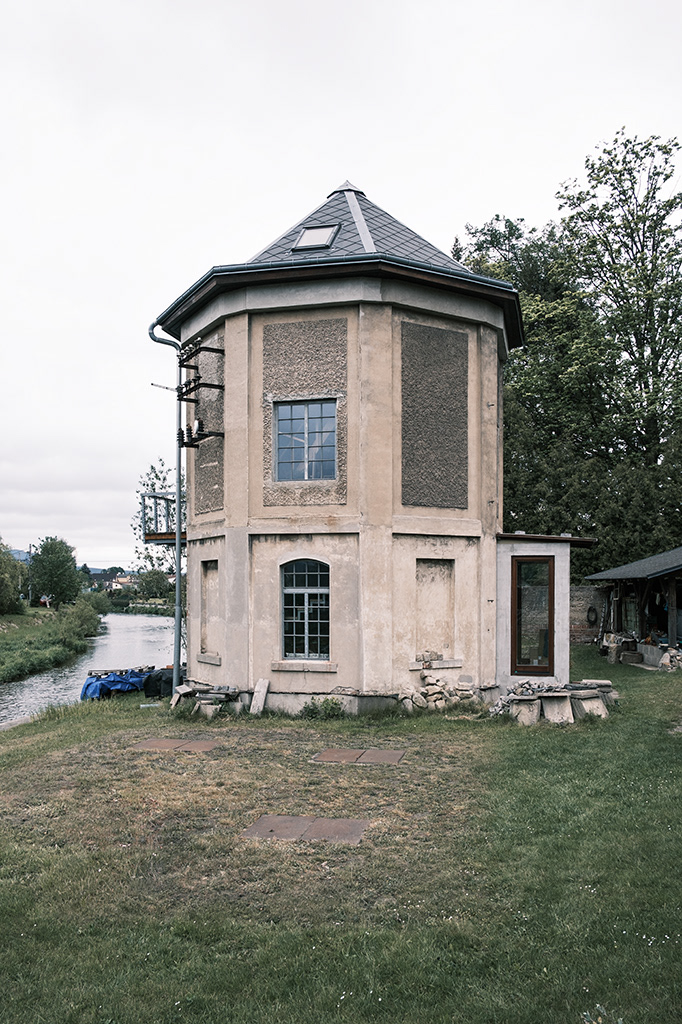
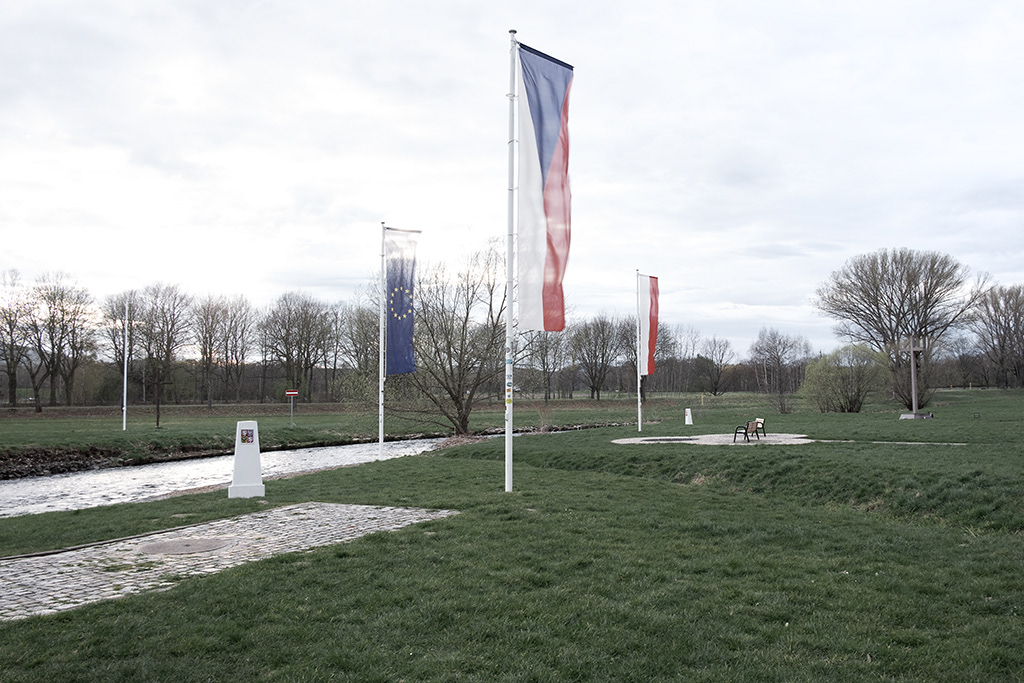
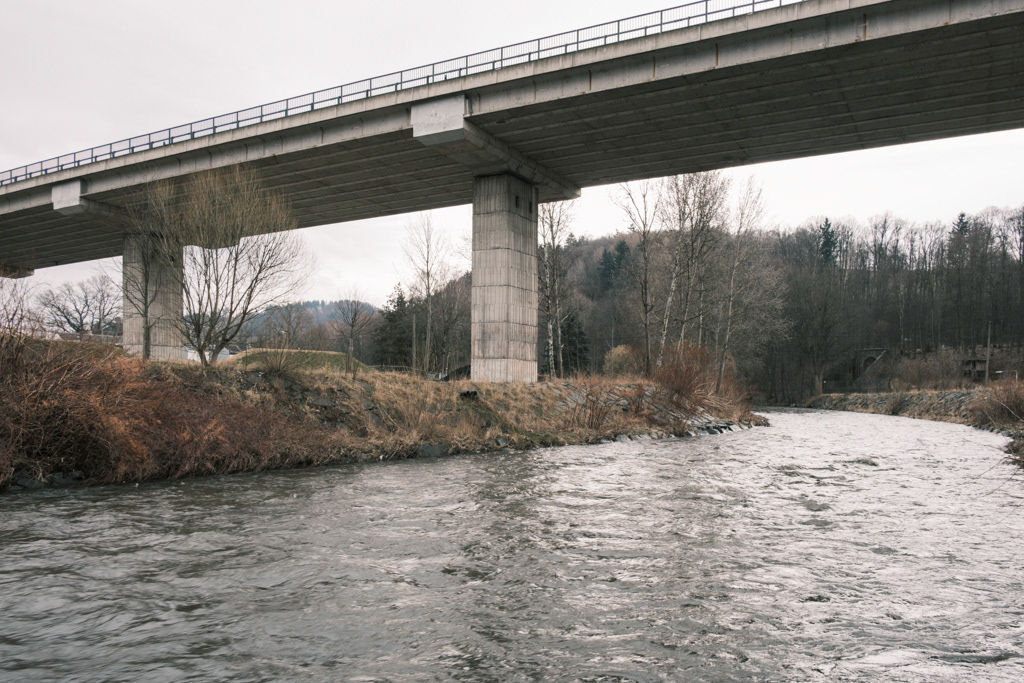
V mé dokumentární sérii nazvané „Svázaná řeka“ sleduji a zaznamenávám charakter řeky Lužická Nisa, která hraje klíčovou roli ve vzniku města Liberec (dříve Riechenberg) – mého domova. Můj přístup k dokumentaci je systematický, postupuji od pramene řeky v jizerských horách až k místu, kde opouští naši zem. V následujících letech chci zdokumentovat řeku a její okolí až k soutoku s řekou Odrou podél německo-polského pohraničí. Očividně lze pozorovat nejvýraznější lidské zásahy na úseku řeky v městských částech Liberce a Jablonce nad Nisou.
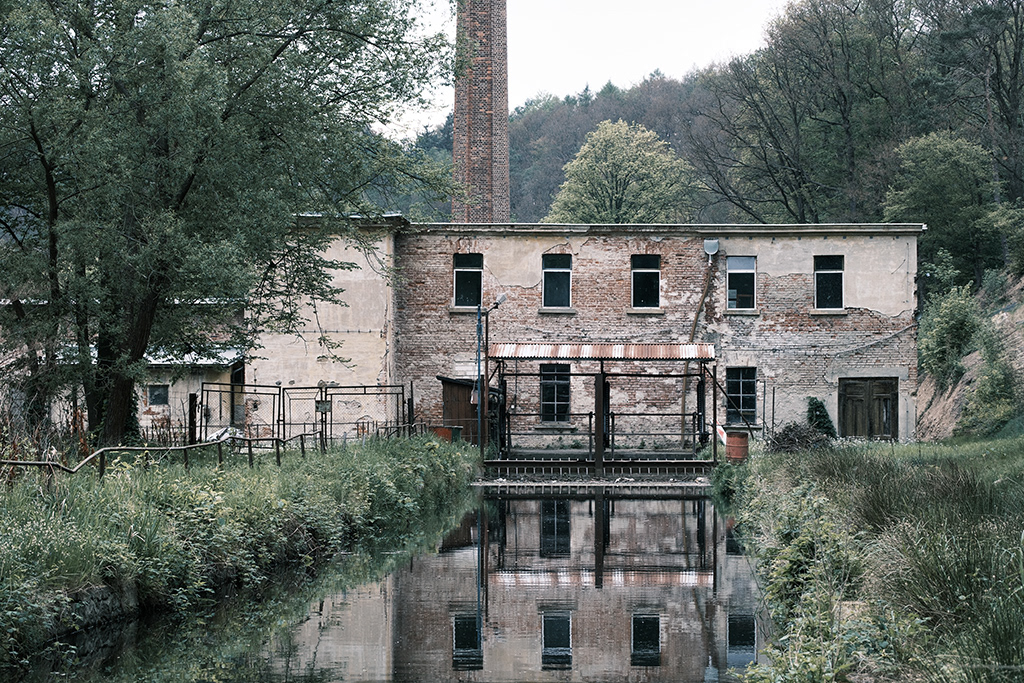
Během své dlouhé existence prošla Nisa rozsáhlými proměnami. Původně se stala technicky ovládaným prvkem, který hrál klíčovou roli v průmyslovém vzestupu města. Řeka byla regulována, narovnána a město se stalo jakýmsi parazitem, který otrávil tento vodní tok.
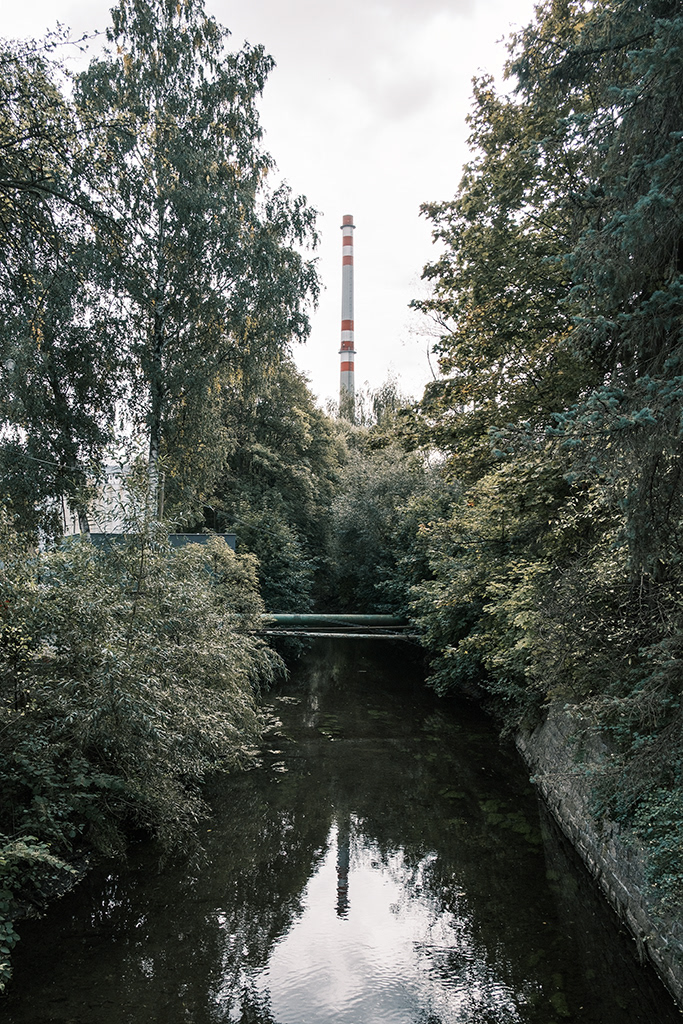
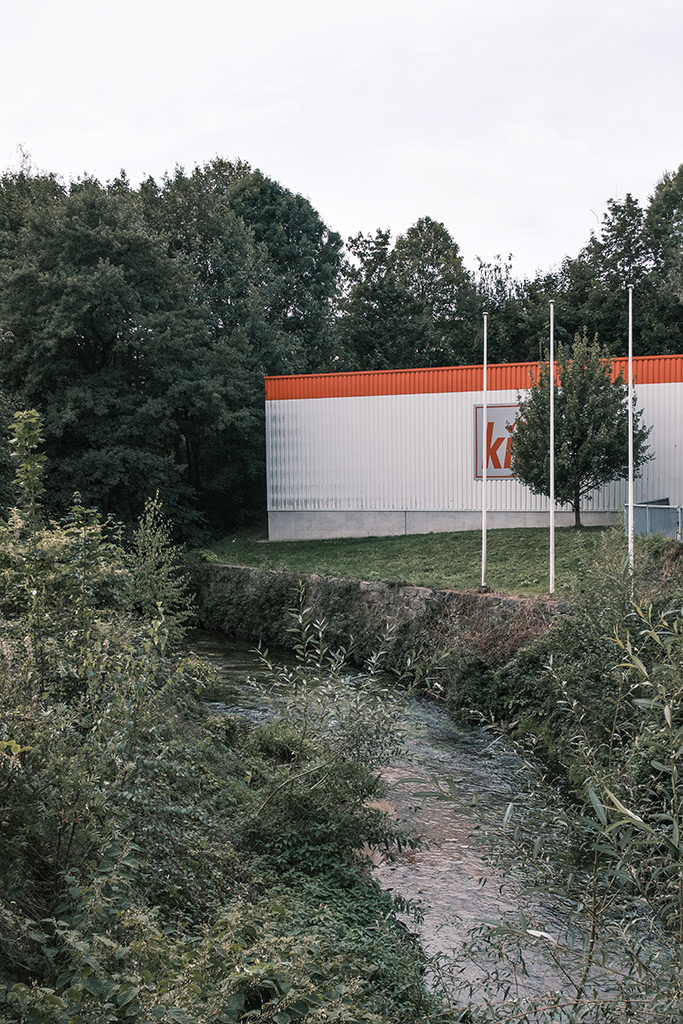
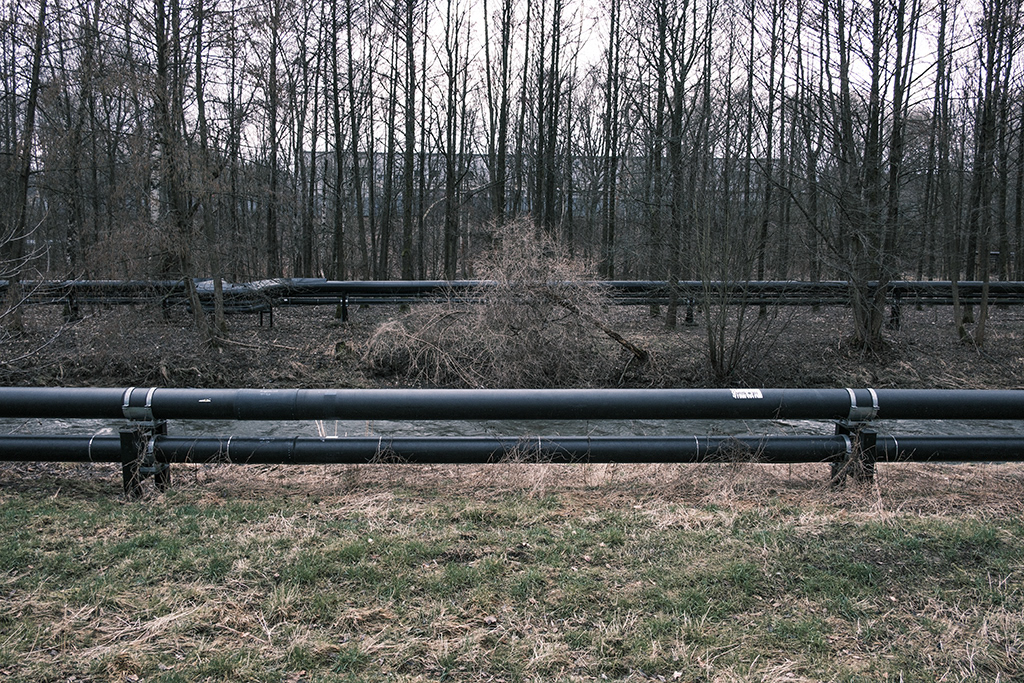
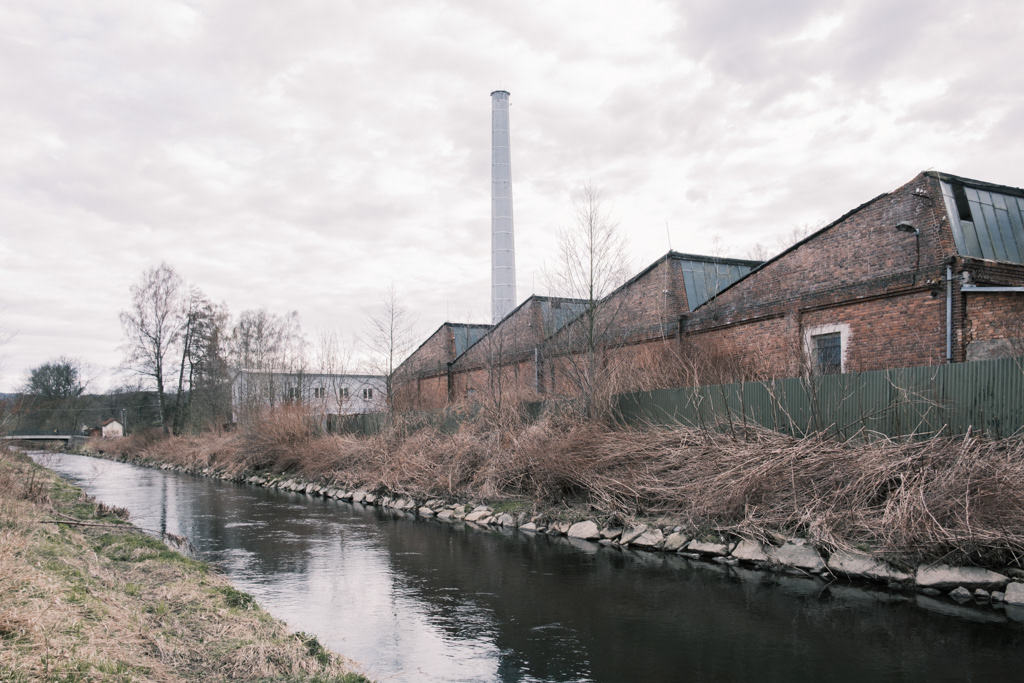
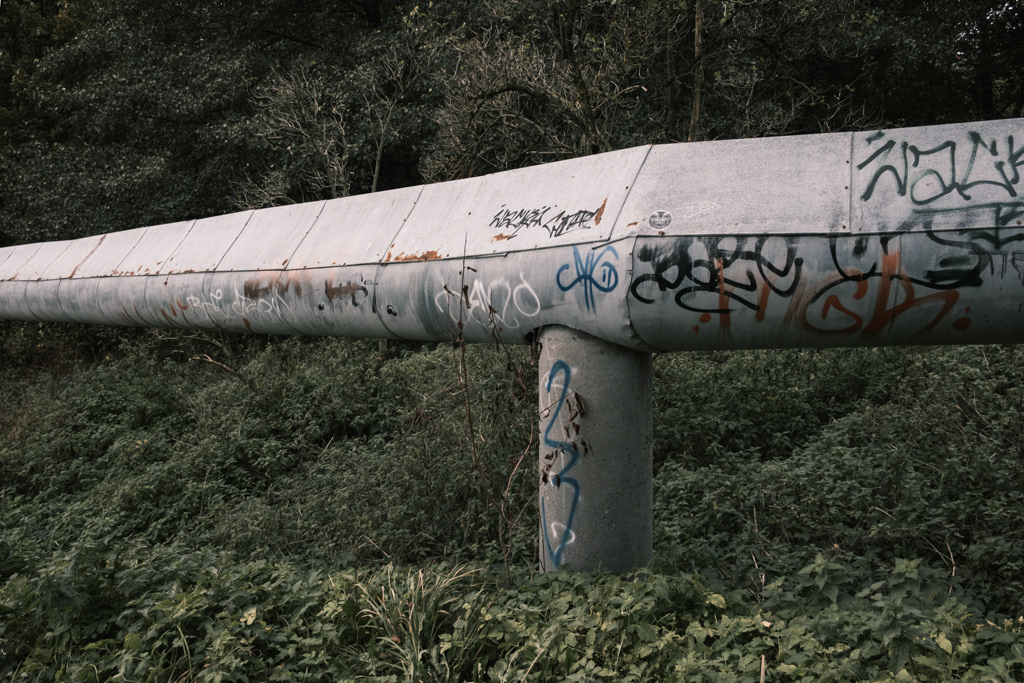
V městských částech byla Nisa pro technické a protipovodňové účely „utopena“ do hlubokého, vydlážděného a těžce přístupného koryta. V některých místech byla dokonce zatrubněna a skryta pod povrchem. K tomu se přidal necitlivě propletený parovod, který situaci nijak nepomohl. V 90. letech 20. století byla Nisa jednou z nejvíce znečištěných řek severních Čech.
I přesto, že kvalita vody od té doby výrazně vzrostla a do řeky se vrátil život, obyvatelé města ztratili k Nise vztah. Dalo by se říct, že město v mnoha ohledech přímo popírá existenci této, ve svých útrobách skryté řeky.
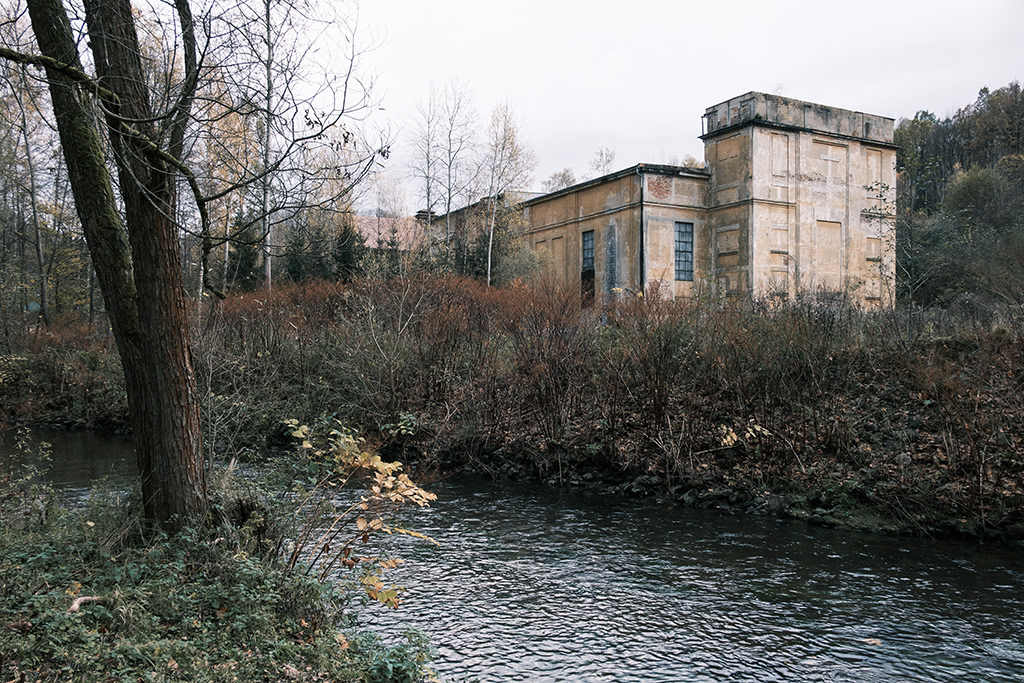
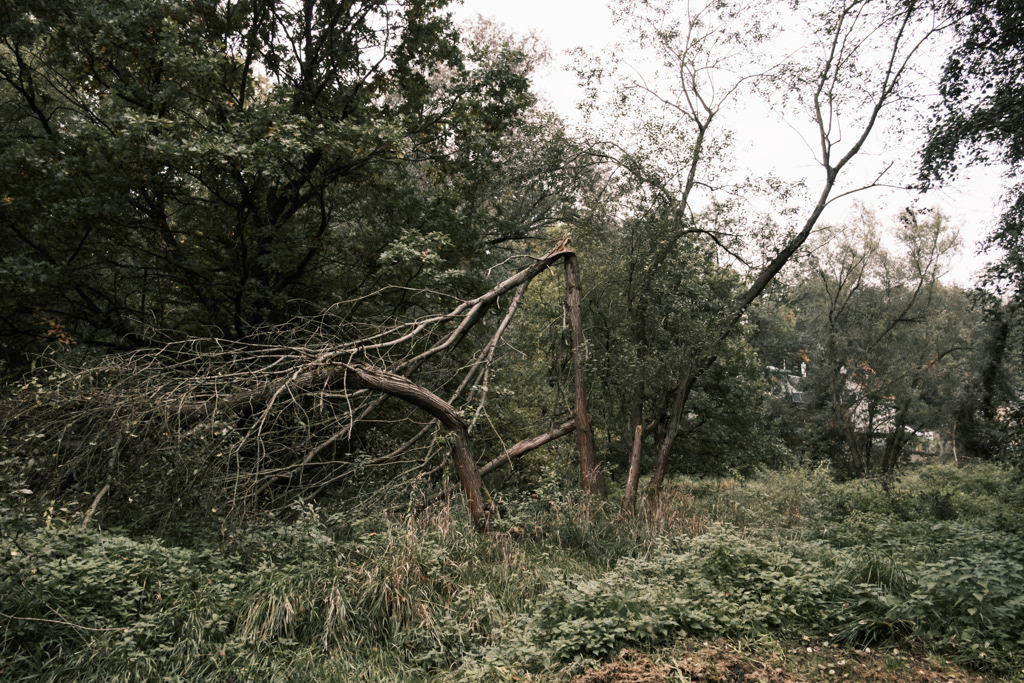
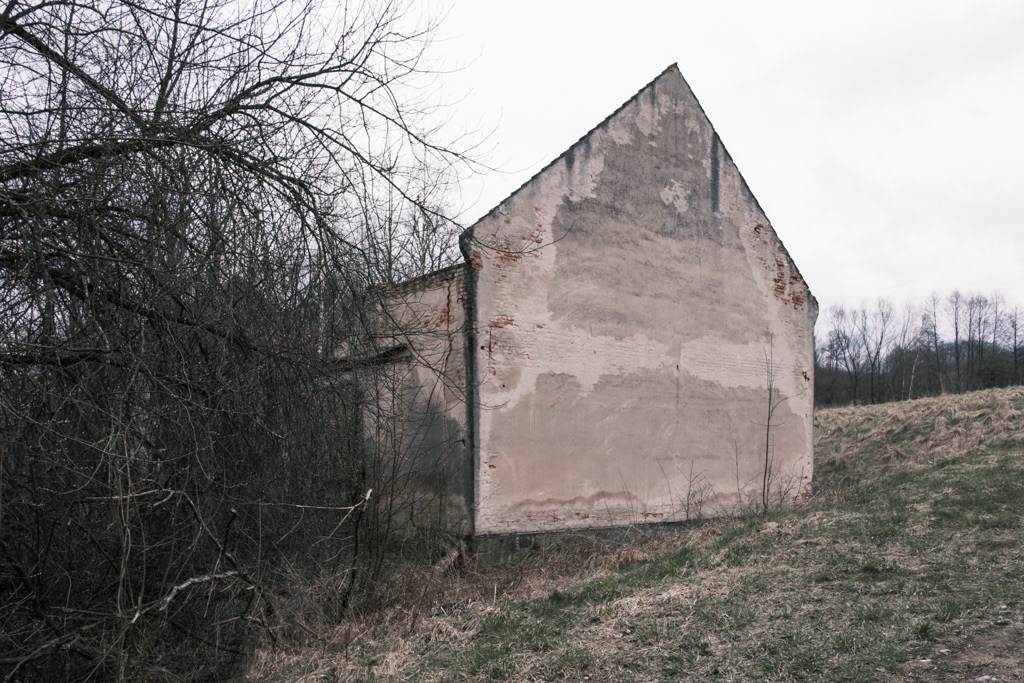
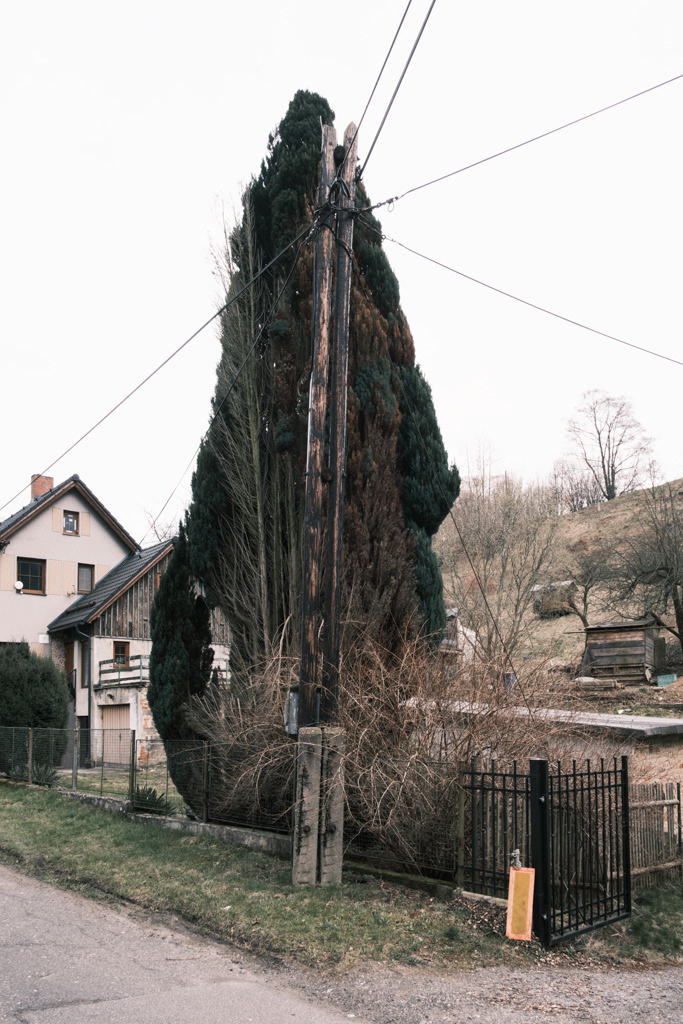
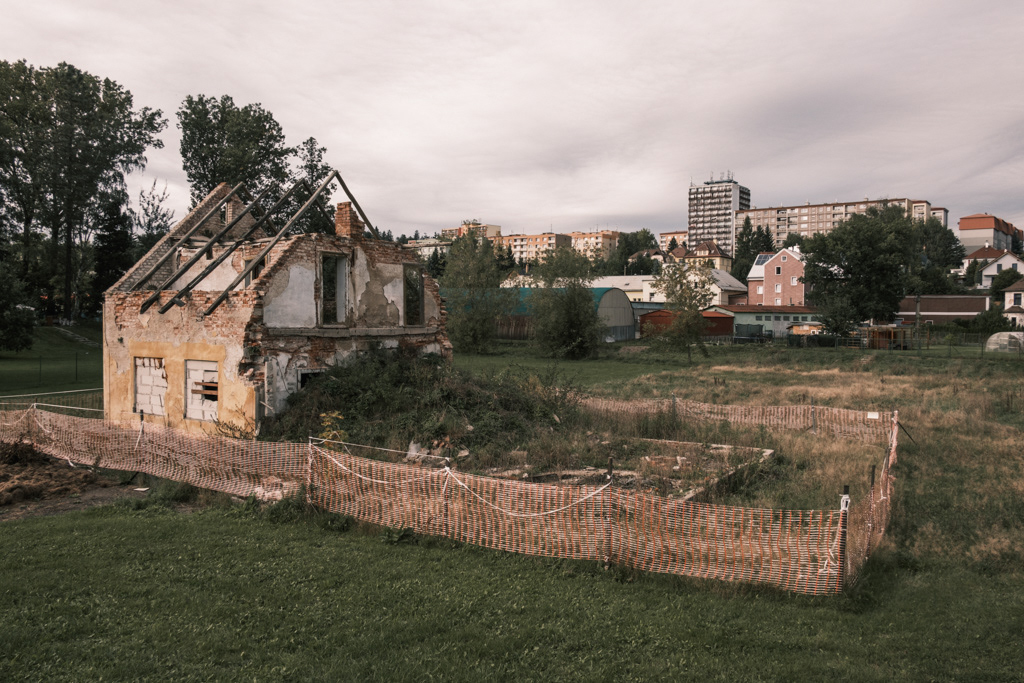
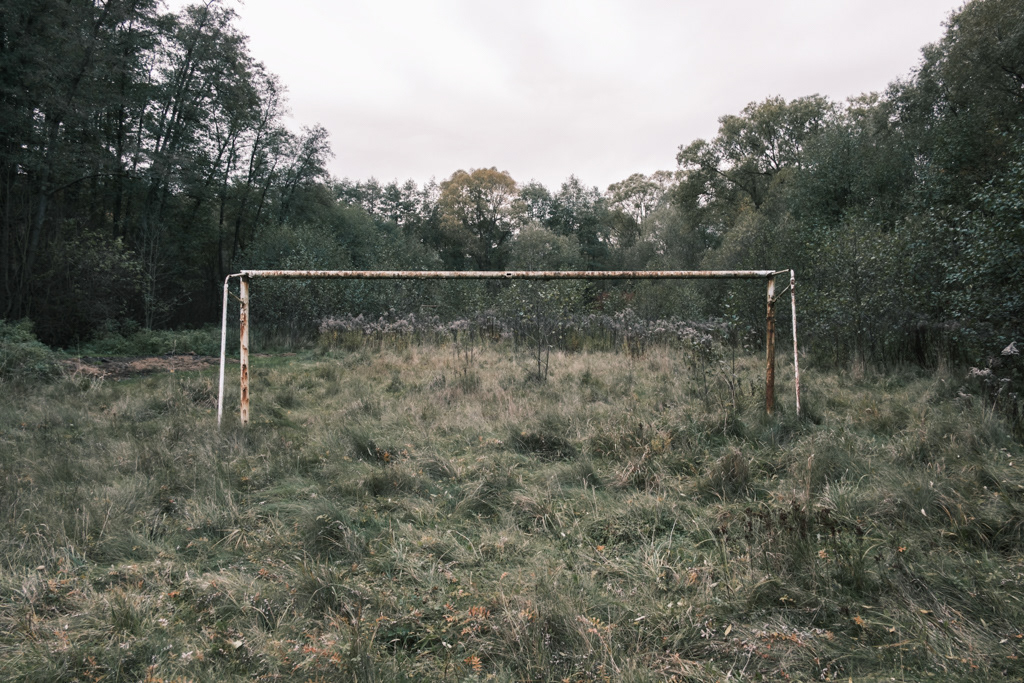
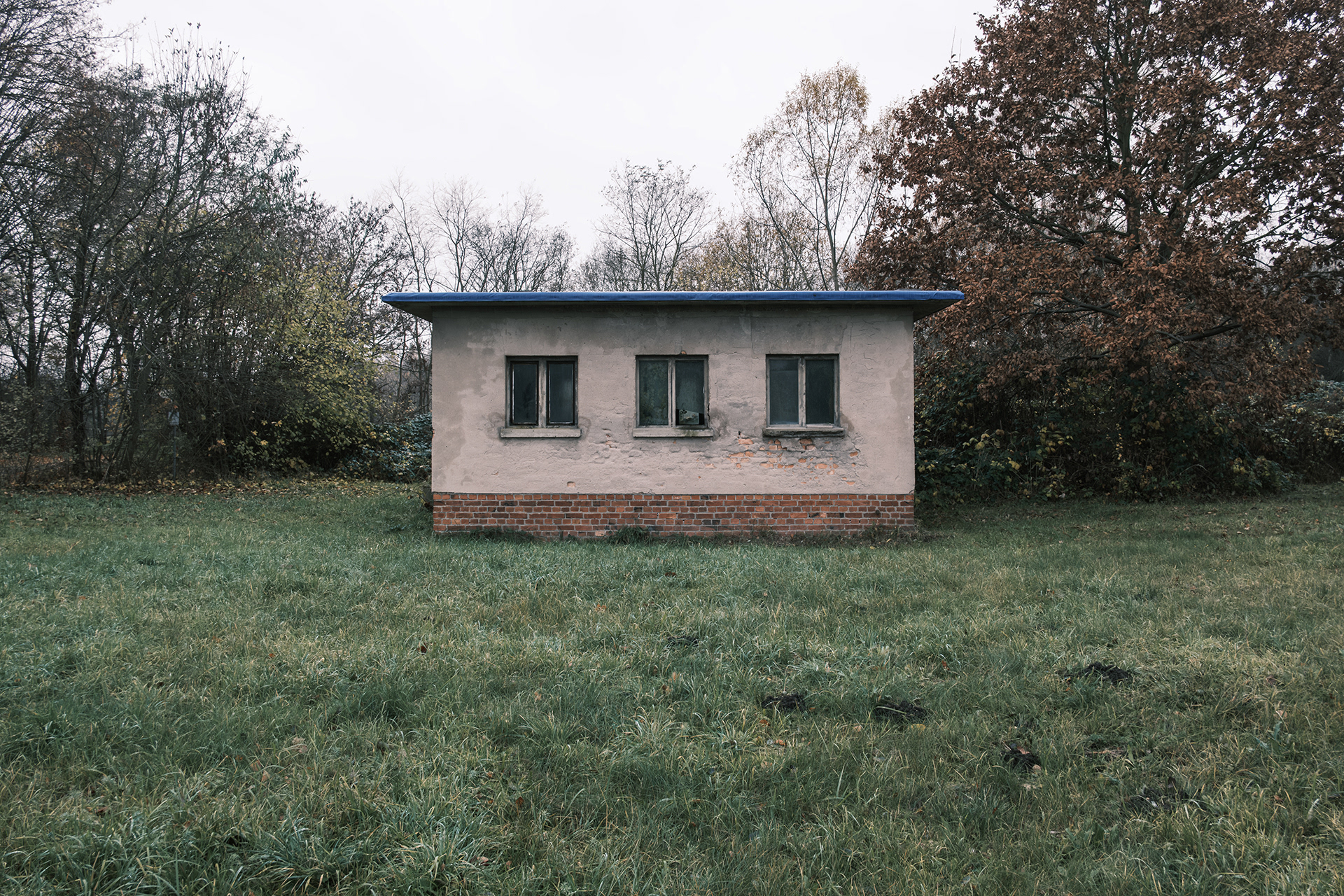
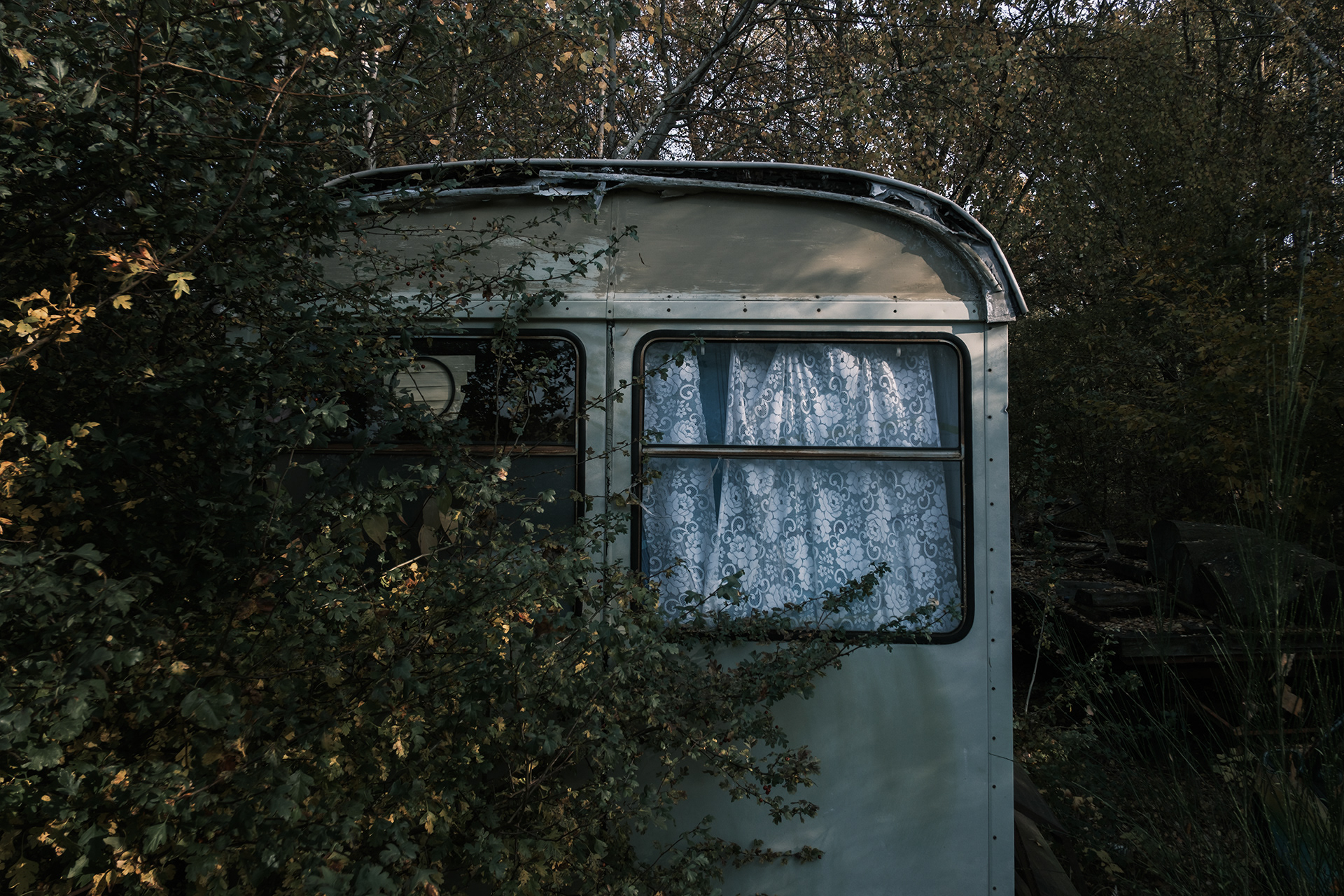
Citlivý pozorovatel možná zaznamenává podobnost mezi charakterem řeky a celkovým obrazem bývalé „metropole Sudet“, který se nezpochybnitelně promítl do tváře řeky. Město Liberec působí roztrhaně a mnohá místa jsou prošpikována reminiscencemi minulosti, které vytvářejí kulisy říčního okolí. Nicméně, opustíte-li město, řeka najednou ožije, získá sílu a nechá za sebou svázanou městskou část. Je nezbytné vodnímu živlu poskytnout alespoň nějaký prostor a svobodu, aby mohl znovu dýchat.
EN
In my documentary series titled „Bound River,“ I explore and document the character of the Lusatian Neisse River, which plays a crucial role in the formation of the city of Liberec (formerly Riechenberg) – my hometown. My approach to documentation is systematic, tracing the river from its source in the Jizera Mountains to the point where it leaves our country. In the following years, I want to document the river and its surroundings up to the confluence with the Oder River along the German-Polish border. The most significant human interventions can be observed in the river’s urban sections in the cities of Liberec and Jablonec nad Nisou.
Throughout its long existence, the Neisse has undergone extensive transformations. Originally, it became a technically controlled element that played a key role in the industrial development of the city. The river was regulated, straightened, and the city became a sort of parasite that contaminated this watercourse.
In urban areas, the Neisse was „submerged“ into a deep, paved, and difficult-to-access channel for technical and flood protection purposes. In some places, it was even piped and hidden beneath the surface. This was accompanied by insensitively intertwined steam pipes that did not improve the situation. In the 1990s, the Neisse was one of the most polluted rivers in northern Bohemia.
Despite the significant improvement in water quality since then and the return of life to the river, the city’s residents have lost their connection to the Neisse. It could be said that the city, in many ways, directly denies the existence of this hidden river within its depths.
A discerning observer may notice a similarity between the character of the river and the overall image of the former „Sudeten metropolis,“ which undeniably reflects in the face of the river. Liberec appears fragmented, with many places marked by echoes of the past, creating the backdrop of the river environment. However, once you leave the city, the river suddenly comes to life, gains strength, and leaves behind the bound urban section. It is essential to give the water element at least some space and freedom so that it can breathe again.